
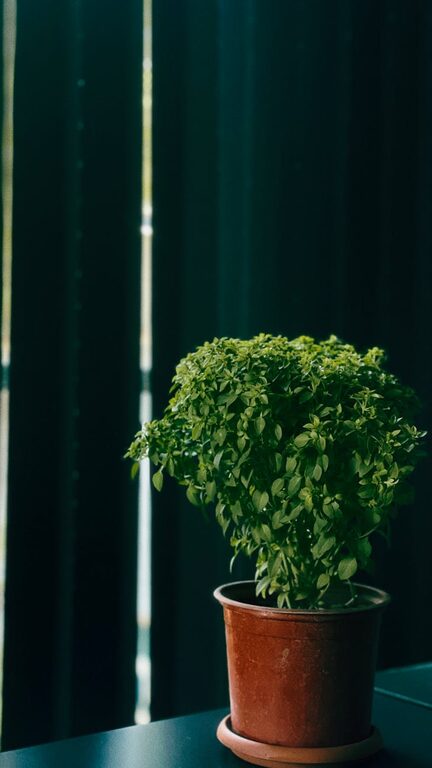
Starting an indoor herb garden is a rewarding way to bring fresh flavors to your cooking and add a touch of greenery to your home. Even if you don’t have a backyard, growing herbs indoors is simple, space-efficient, and enjoyable. In this guide, we’ll walk you through the steps to create your own small herb garden indoors, covering everything from selecting the right herbs to caring for them daily.
Why Grow Herbs Indoors?
Indoor herb gardens have many benefits:
– Freshness: Pick herbs whenever you need, ensuring the best flavor.
– Convenience: Herbs are within arm’s reach while cooking.
– Decoration: Herbs add a lively, natural element to your kitchen or living area.
– Air quality: Some herbs can improve indoor air with their natural scent.
Whether you have a sunny windowsill or a small corner to spare, you can create a thriving herb garden.
Choosing the Right Herbs for Indoor Growing
Not all herbs thrive indoors equally. When starting out, it’s best to choose hardy, low-maintenance varieties. Some popular options include:
– Basil: Sweet and aromatic, perfect for pasta and salads.
– Parsley: Versatile and nutrient-rich, grows quickly.
– Mint: Refreshing flavor, but best grown separately due to spread.
– Chives: Mild onion flavor, easy to grow.
– Thyme: Woody herb with a subtle taste, grows well in pots.
– Cilantro: Great for fresh salsas and garnishes, needs bright light.
Consider your cooking preferences and the light conditions in your home when selecting herbs.
Supplies You’ll Need
Before planting, gather the following:
– Containers: Small pots or planters with drainage holes to prevent waterlogging.
– Potting mix: Quality, well-draining potting soil formulated for indoor plants.
– Seeds or starter plants: Beginners may find it easier to start with seedlings.
– Watering can: A small one with a fine spout helps control water flow.
– Fertilizer: A balanced, water-soluble fertilizer for indoor plants.
– Grow light (optional): If natural light is limited, a grow light can help.
Choosing a Location with Adequate Light
Herbs generally need 6-8 hours of sunlight daily to thrive. Ideal spots include:
– South-facing windows: The brightest and warmest option in the northern hemisphere.
– East or west windows: Provide good morning or afternoon light.
– Under grow lights: For darker rooms, use LED or fluorescent grow lights placed about 6-12 inches above plants.
Rotate your pots regularly to ensure even light exposure and prevent plants from leaning.
Planting Your Herb Garden
From Seeds
- Fill the pots with potting mix, leaving about an inch at the top.
- Moisten the soil lightly.
- Sow seeds according to the package instructions—usually shallowly.
- Cover seeds gently with a thin layer of soil.
- Keep the soil moist but not soggy.
- Place pots in a warm, bright spot.
Germination times vary by herb but expect seedlings in 7-21 days.
From Starter Plants
- Choose healthy seedlings with no signs of disease.
- Gently remove the plant from its nursery container.
- Loosen the roots softly before planting.
- Plant in your pot filled with fresh potting mix.
- Water thoroughly.
Starter plants give a head start and often grow faster.
Caring for Your Indoor Herb Garden
Watering
– Water when the top inch of soil feels dry.
– Use room-temperature water.
– Avoid overwatering, which can lead to root rot.
– Ensure your pots have drainage holes.
Feeding
– Fertilize every 4-6 weeks with a diluted balanced fertilizer.
– Avoid over-fertilizing to prevent weak stems and less flavor.
Pruning and Harvesting
– Pinch or trim herbs regularly to encourage bushier growth.
– Harvest by clipping stems just above a pair of leaves.
– Don’t remove more than one-third of a plant at once.
Pest Management
– Occasionally inspect for pests like aphids or spider mites.
– Wipe leaves gently with water or use natural insecticidal soap if needed.
Tips to Keep Your Herb Garden Healthy and Thriving
– Avoid drastic temperature changes; most herbs prefer 60-70°F.
– Keep humidity moderate; indoor heat can dry out plants in winter.
– Repot herbs into larger containers if they outgrow their pots.
– Clean dust off leaves to help plants breathe and absorb light.
Enjoying Your Indoor Herb Garden
With proper care, your indoor herbs can provide fresh seasoning for months. Try using fresh basil in pesto, mint in teas, or chives in eggs. Sharing your herb garden’s bounty with friends and family can be a joy too.
Conclusion
Starting a small herb garden indoors is an achievable and enjoyable project. With the right herbs, containers, and care, you’ll have a thriving green space in your home supplying fresh, flavorful herbs year-round. Give it a try—the taste and satisfaction of homegrown herbs are well worth it!
Happy gardening!