
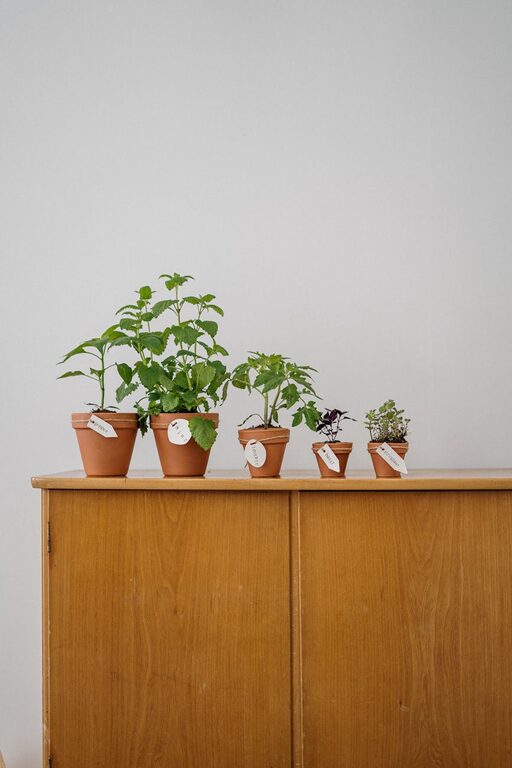
Growing your own herbs indoors is a rewarding and practical hobby. Not only does it provide fresh ingredients for your kitchen, but it also adds a touch of nature to your living space. Starting a small herb garden inside your home might seem challenging at first, but with the right guidance, anyone can do it successfully.
In this guide, we’ll walk you through everything you need to know to cultivate a thriving indoor herb garden, from choosing the right herbs to care tips that keep your plants healthy.
Why Grow Herbs Indoors?
Indoor herb gardening offers several benefits:
– Freshness: You can harvest fresh herbs whenever you need them.
– Convenience: Having herbs within arm’s reach saves you trips to the store.
– Aromatherapy: Many herbs release pleasant scents that enhance your home environment.
– Educational: It’s a great way to learn about plant care and gardening basics.
– Decorative: Herb plants can brighten windowsills and countertops with their vibrant foliage.
Choosing the Right Herbs for Indoors
Not all herbs thrive indoors equally well. Here are some beginner-friendly options:
– Basil: Loves sunlight and warmth; great for cooking.
– Mint: Easy to grow, but keep it in a separate pot to prevent spreading.
– Parsley: Requires moderate sunlight and regular watering.
– Chives: Hardy and fast-growing; adds a mild onion flavor.
– Thyme: Compact and drought-tolerant; needs plenty of light.
– Oregano: Prefers bright light and well-drained soil.
– Cilantro: Grows well indoors but may bolt if too warm.
Select 3 to 5 herbs depending on your space and needs.
Gathering Supplies
Before planting, you’ll need to gather essential supplies:
– Containers: Small pots with drainage holes or a window herb planter box.
– Potting Mix: Use a well-draining potting soil designed for indoor plants.
– Seeds or Starter Plants: You can buy seeds or young plants from nurseries.
– Watering Can: For gentle watering.
– Labels: To mark each herb type.
– Fertilizer: A balanced, water-soluble fertilizer formulated for herbs.
Step-by-Step Guide to Starting Your Indoor Herb Garden
1. Select a Suitable Location
Herbs need plenty of light, ideally 6–8 hours of sunlight daily. A south-facing window is perfect. If you lack sufficient natural light, consider investing in a grow light to supplement.
2. Prepare Your Containers
Fill your pots with potting mix, leaving about an inch of space below the rim. If using seeds, follow packet instructions for sowing depth and spacing.
3. Plant the Herbs
– Seeds: Sow seeds evenly over the soil, lightly cover with soil, and mist gently.
– Starter Plants: Carefully transplant seedlings, loosening roots slightly before planting.
Label each pot for easy identification.
4. Water Appropriately
Keep the soil moist but not waterlogged. Overwatering can lead to root rot. Use your finger to check the soil; water when the top inch feels dry.
5. Maintain Proper Humidity and Temperature
Most herbs prefer a moderate humidity level and temperatures between 65°F and 75°F (18°C to 24°C). Avoid placing plants near drafts or heaters.
6. Feed Your Herbs
Fertilize once every 3–4 weeks with a diluted balanced fertilizer to encourage healthy growth.
Ongoing Care Tips
Pruning and Harvesting
Regularly pinch back herb stems to promote bushier growth and prevent flowering, which can reduce leaf quality. Harvest leaves as needed but avoid removing more than one-third of the plant at a time.
Monitoring for Pests
Indoor herbs can occasionally attract aphids or spider mites. Inspect leaves regularly and wipe them gently with a damp cloth. If pests persist, use organic insecticidal soap as a safe treatment.
Repotting
If your herbs outgrow their pots, transfer them to larger containers to provide additional space for roots.
Troubleshooting Common Problems
– Yellowing Leaves: Often due to overwatering or insufficient light.
– Leggy Growth: Indicates your plants need more light.
– Wilting: Could be underwatering or root issues.
– Weak Flavor: Might be caused by too much fertilizer or infrequent harvests.
Adjust care routines based on plant responses.
Enjoy Your Fresh Herbs Year-Round
Starting a small indoor herb garden is enjoyable and practical. With just a bit of attention, you’ll have fresh, flavorful herbs to enhance your cooking and brighten your home. Whether you have ample natural light or need to add a grow light, the key is proper location, watering, and care.
So gather your supplies, pick your favorite herbs, and start growing your indoor herb garden today! Happy gardening!