
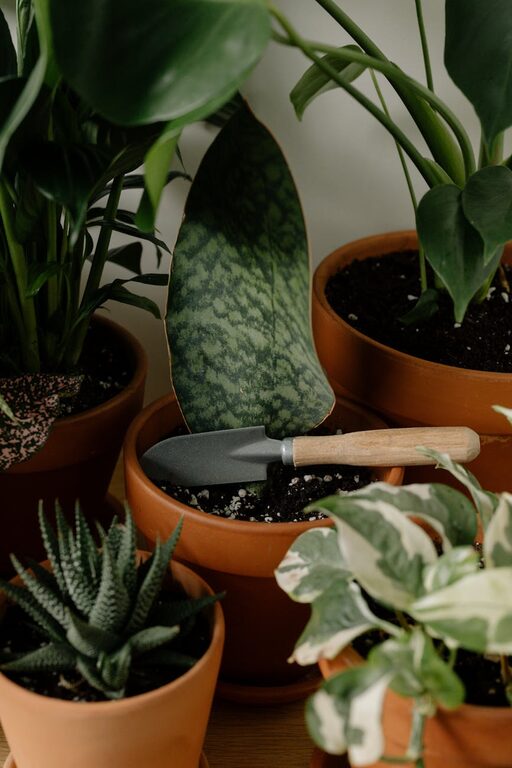
Bringing houseplants into your home adds a touch of nature, improves air quality, and boosts your mood. However, keeping these green companions healthy requires a bit of knowledge and attention. Whether you’re new to plant parenting or looking to refresh your skills, this guide offers practical tips to help your houseplants thrive.
Understand Your Plant’s Needs
Every plant species has unique requirements. Before bringing a new plant home, research its preferred light, water, temperature, and humidity levels. Understanding these factors will help you create the right environment.
Light
Most houseplants fall into one of three categories based on light needs:
– Bright indirect light: Many popular plants, like pothos and philodendron, prefer bright but filtered sunlight.
– Low light: Plants like snake plants and ZZ plants tolerate lower light but still need some natural light.
– Direct sunlight: Succulents and cacti often thrive in direct sun but beware of leaf burn.
Place your plants where they receive the right kind and amount of light. Rotate them occasionally to ensure even growth.
Watering Wisely
Overwatering is one of the most common causes of houseplant problems. Here are some tips to water effectively:
– Check soil moisture: Before watering, stick your finger about an inch into the soil. If it feels dry, it’s time to water.
– Use the right amount: Water thoroughly so it drains out from the bottom—but don’t let plants sit in standing water.
– Adjust for seasons: Plants generally need less water in fall and winter when growth slows.
– Use room temperature water: Cold water can shock roots, so it’s best to water with water that’s close to room temperature.
Choose Proper Soil and Containers
Using well-draining soil and containers with drainage holes prevents root rot and helps maintain healthy roots.
– Potting mix: Choose a soil mix designed for your plant type. For example, succulents need a sandy mix, while ferns prefer soil that retains moisture.
– Containers: Select pots with drainage holes to allow excess water to escape. If your pot doesn’t have one, consider adding a layer of stones at the bottom, but drainage holes are usually better.
Maintain Optimal Humidity and Temperature
Many houseplants are tropical and appreciate humidity. Dry indoor air can cause leaf browning and stunted growth.
– Increase humidity: Use a humidifier, place a water tray with pebbles near plants, or group plants together to create a micro-humid environment.
– Avoid drafts: Keep plants away from drafty windows, heating vents, or air conditioners.
– Stable temperature: Most houseplants thrive between 65-75°F (18-24°C). Sudden temperature changes can stress plants.
Fertilize Appropriately
Plants need nutrients to grow but over-fertilizing can harm them.
– Use balanced fertilizer: A general-purpose, water-soluble fertilizer is suitable for most plants.
– Frequency: Fertilize during the active growing season (spring and summer), usually every 4-6 weeks. Avoid feeding in winter.
– Follow instructions: Always dilute fertilizer according to package directions to prevent burning roots.
Prune and Clean Regularly
Keeping plants tidy promotes health and encourages new growth.
– Prune dead or yellowing leaves: This prevents disease and improves appearance.
– Trim leggy growth: Pinching back stems can help plants become bushier.
– Clean leaves: Dust can block sunlight; gently wipe leaves with a damp cloth every few weeks.
Monitor for Pests and Diseases
Keep an eye out for signs of trouble including:
– Yellowing or dropping leaves
– Spots or webbing on leaves
– Sticky residue or tiny insects
If you notice pests such as aphids, spider mites, or fungus gnats, treat promptly with insecticidal soap or neem oil. Quarantine new plants to avoid spreading pests.
Repot When Necessary
Houseplants eventually outgrow their containers. Signs it’s time to repot include roots growing through drainage holes and soil drying out quickly.
– Repot in spring when plants enter their growth phase.
– Choose a pot that’s 1-2 inches larger in diameter.
– Refresh soil to provide nutrients and improve drainage.
—
By paying attention to your houseplants’ light, water, soil, humidity, and nutrition needs, you can enjoy healthy, thriving greenery year-round. With a little care and patience, even beginners can cultivate a flourishing indoor garden. Happy planting!