
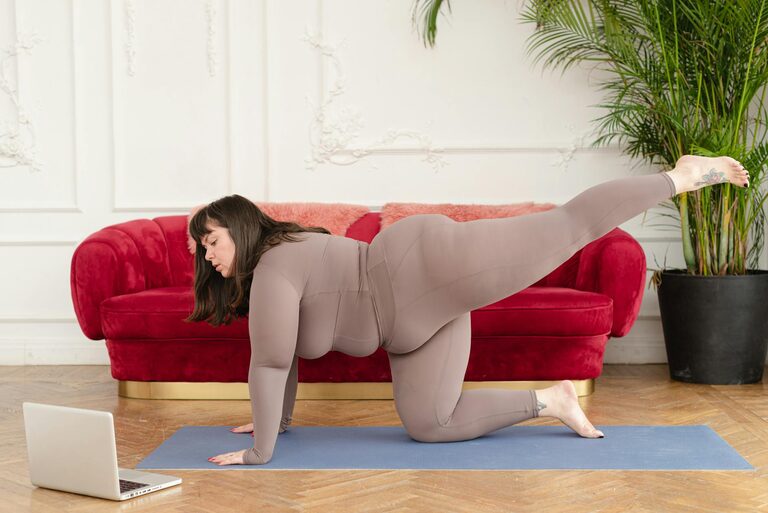
Stretching is a fundamental part of a healthy lifestyle that benefits both your body and mind. Whether you’re new to exercise or just looking to add a gentle routine to your day, stretching at home is an accessible way to improve flexibility, reduce muscle tension, and enhance circulation. This guide will walk you through everything you need to know to start stretching safely and effectively from the comfort of your home.
Why Stretching Matters
Stretching keeps your muscles flexible, strong, and healthy, which is essential for maintaining a good range of motion in your joints. Without regular stretching, muscles can become tight, leading to discomfort and a higher risk of injury. Additionally, stretching can help improve posture, reduce stress, and increase blood flow to your muscles.
When to Stretch
You can incorporate stretching into your daily routine at various times:
– After waking up: Gentle stretches can help reduce stiffness.
– Before exercise: Dynamic stretches prepare your muscles for activity.
– After exercise: Static stretches aid in muscle recovery.
– Anytime during the day: Take breaks to stretch and relieve tension, especially if you sit for long periods.
Types of Stretching
Understanding the two main types of stretching helps optimize your routine:
Dynamic Stretching
Dynamic stretches involve movement. They gently prepare your muscles for exercise and increase your heart rate. Examples include arm circles, leg swings, and torso twists.
Static Stretching
Static stretches involve holding a stretch for 20 to 30 seconds to lengthen muscles. This type is ideal after workouts or as a relaxation practice.
Preparing to Stretch at Home
Before you start stretching, keep these tips in mind:
– Wear comfortable clothing that allows free movement.
– Use a yoga mat or soft surface to protect your joints.
– Stay hydrated and avoid stretching on an empty stomach.
– Warm up lightly, such as walking in place for 3–5 minutes, before stretching to increase blood flow.
Beginner-Friendly Stretching Routine
Here’s a simple full-body stretching routine that beginners can try at home. Hold each static stretch for about 20–30 seconds and repeat 2-3 times if comfortable.
1. Neck Stretch
– Sit or stand upright.
– Slowly tilt your head toward your right shoulder until you feel a gentle stretch.
– Hold, then switch to the left side.
2. Shoulder Rolls
– Stand with feet shoulder-width apart.
– Roll your shoulders backward in a circular motion 10 times.
– Then roll them forward 10 times.
3. Chest Stretch
– Stand or kneel in a doorway.
– Place your hands on the door frame at shoulder height.
– Step forward slightly until you feel a stretch across your chest.
4. Triceps Stretch
– Raise your right arm overhead.
– Bend your elbow so your hand reaches your upper back.
– Use your left hand to gently press your right elbow.
– Switch arms.
5. Seated Forward Bend
– Sit on the floor with legs extended.
– Keep your back straight and bend forward from your hips.
– Reach toward your toes without forcing the stretch.
6. Butterfly Stretch
– Sit with feet together and knees bent outward.
– Hold your feet with your hands.
– Gently press your knees toward the floor.
7. Cat-Cow Stretch (Spinal Mobility)
– Get on all fours with hands under shoulders and knees under hips.
– Arch your back up (Cat), then dip it down while lifting your head and tailbone (Cow).
– Repeat 10 times slowly.
8. Standing Quad Stretch
– Stand on one leg.
– Grab the ankle of the other leg behind you.
– Pull the ankle gently toward your buttocks.
– Switch legs.
9. Calf Stretch
– Stand facing a wall.
– Place your hands on the wall.
– Step one foot back and press the heel down.
– Switch legs.
Tips for Effective Stretching
– Breathe deeply: Inhale and exhale steadily while stretching.
– Never force a stretch: Stretch to a comfortable tension, not pain.
– Be consistent: Aim to stretch at least 3 times a week.
– Listen to your body: Modify or skip stretches if you feel discomfort.
– Gradually increase duration and intensity as your flexibility improves.
Common Mistakes to Avoid
– Holding your breath during stretches.
– Bouncing while holding a static stretch.
– Stretching cold muscles without warming up first.
– Overstretching or pushing too hard.
– Neglecting to stretch both sides of the body evenly.
Benefits Beyond Flexibility
Regular stretching can improve your overall quality of life. It helps fight muscle stiffness, boosts circulation, supports better posture, and may even reduce stress by promoting relaxation. Developing a stretching habit at home is a small investment with big rewards for your health and comfort.
Final Thoughts
Starting a stretching routine at home is easy and requires no special equipment. By following this beginner’s guide, you can develop flexibility gradually and safely while enjoying the convenience of your own space. Remember to stay patient and consistent—flexibility takes time to build but brings lasting benefits.
Try this stretching routine today and feel the difference a few minutes of gentle movement can make! Happy stretching!